Uncovering the fascinating evolution of gambling throughout history
The Origins of Gambling
The origins of gambling can be traced back thousands of years, with evidence dating to ancient civilizations such as the Egyptians and Greeks. Archaeological finds include dice made from bones and fragments of gambling games carved into stone. These early forms of gambling often revolved around games of chance, often linked to rituals or fortune-telling. If you’re interested in learning more, you can visit website to discover how these activities were deeply intertwined with their cultures, as they were seen not merely as games, but as ways to connect with the divine or influence fate.
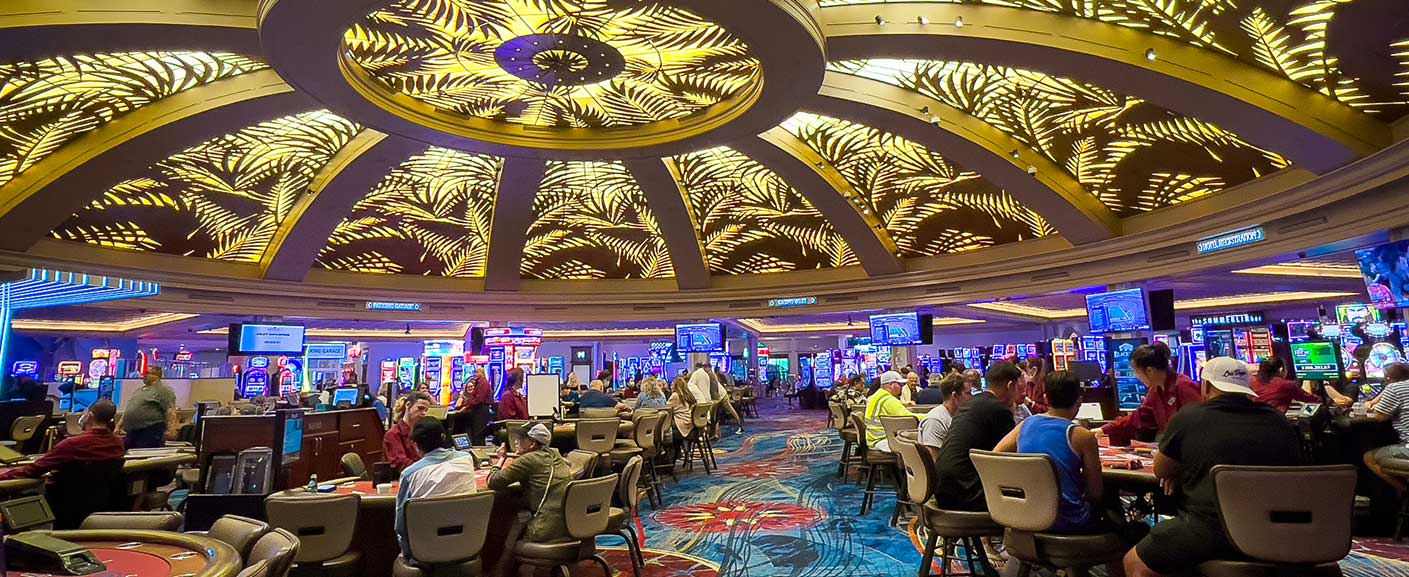
In ancient Rome, gambling gained popularity and was often associated with sports and gladiatorial contests. People would wager on the outcomes of these events, leading to a culture of betting that thrived in both the wealthy elite and the general populace. The Roman Empire’s expansion also facilitated the spread of gambling practices across Europe, laying the groundwork for the modern casinos and betting houses that would emerge in later centuries. This early acceptance of gambling established a framework that would influence societal attitudes toward wagering for millennia to come.
As societies evolved, so did the methods of gambling. The introduction of playing cards in the 14th century in Europe transformed gambling into a more structured activity. This period saw the birth of many classic games, such as poker and blackjack, which are still widely played today. The evolution from rudimentary betting to more organized forms set the stage for the development of gambling as both a leisure activity and a potential source of income, leading to the emergence of establishments dedicated solely to gambling.
The Rise of Casinos
The 17th century marked a significant turning point in the history of gambling with the establishment of the first modern casinos. The Casino di Venezia in Italy, founded in 1638, is often recognized as the world’s first true casino, offering a variety of games and amenities to patrons. This innovation in leisure establishments sparked a wave of casino openings across Europe, which provided not just gambling but also dining and entertainment experiences, drawing in a more diverse clientele.
Throughout the 18th century, casinos flourished, particularly in France, where the concept of gaming houses gained traction. The introduction of games like roulette attracted players looking for both excitement and the chance to win significant sums of money. This era also saw the rise of notable gambling figures, including aristocrats who frequented these venues, further legitimizing gambling as an upper-class pastime. Such associations began to shift societal perceptions, making gambling more acceptable within elite circles.
With the development of gambling laws and regulations in the 19th century, the casino industry continued to grow and diversify. Countries began to impose regulations to control gambling practices, leading to the establishment of licensed casinos. The infamous Monte Carlo Casino opened its doors in 1863, symbolizing luxury and opulence, drawing in visitors from around the world. The rise of casinos during this time not only reflected changing attitudes toward gambling but also underscored its potential to contribute to local economies through tourism and employment.
The Impact of Technological Advancements
The advent of technology in the 20th century dramatically transformed the gambling landscape. The introduction of slot machines, first appearing in the late 1800s, revolutionized how people engaged with games of chance. These machines quickly became a staple in casinos, offering players a quick and easy way to gamble. As technology progressed, electronic gaming machines evolved, leading to greater sophistication in design and gameplay, which attracted even more participants into the gambling world.
The development of the internet in the late 20th century marked a monumental shift in the evolution of gambling. Online casinos emerged, allowing players to access their favorite games from the comfort of their homes. This evolution democratized gambling, breaking geographical barriers and making it accessible to a global audience. With the convenience of online platforms, more players found enjoyment in gambling, leading to a surge in revenue for the industry.
Mobile technology has further enhanced the gambling experience. The ability to place bets and play games on smartphones has made gambling more accessible than ever. Apps and websites now offer a variety of gaming options, from poker to sports betting, often with attractive bonuses to draw in users. This digital evolution has transformed gambling into a major industry, with millions participating worldwide and revenues soaring into the billions, creating an ecosystem that continues to grow and evolve.
The Social Implications of Gambling
While gambling can offer excitement and potential rewards, it also brings a variety of social implications that cannot be overlooked. The normalization of gambling in society has led to increased discussions about its risks, including gambling addiction and its associated social problems. Awareness campaigns and support systems have emerged to address these issues, aiming to educate the public about responsible gaming and the potential consequences of uncontrolled gambling behaviors.
Moreover, the economic impact of gambling is significant, providing jobs and generating tax revenues for local and national governments. Many regions have relied on casino revenues to fund public services, schools, and infrastructure projects. However, this reliance on gambling can create a double-edged sword, as it can lead to economic volatility in areas dependent on casino income, particularly during downturns when discretionary spending decreases.
Additionally, the evolving landscape of gambling, particularly with online casinos, has prompted concerns regarding regulation and consumer protection. As jurisdictions struggle to keep up with the rapid pace of technological change, ensuring fair play and responsible gaming has become increasingly challenging. This has led to calls for stricter regulations to protect vulnerable populations while balancing the economic benefits that a thriving gambling industry can provide.

Explore Fast Withdrawal Casinos
As the gambling landscape continues to evolve, modern online platforms like Fast Withdrawal Casino are at the forefront, providing UK players with immediate access to their winnings. These sites focus on swift payout options, ensuring that players receive their funds often in under 30 minutes. With a growing number of users seeking convenience, these platforms cater to the demand for fast and efficient transactions, creating an unparalleled gambling experience.
Fast Withdrawal Casino emphasizes security and fairness, ensuring that players can enjoy their favorite games with confidence. Licensed by the UK Gambling Commission, these casinos prioritize responsible gaming practices and offer a variety of payment methods, including PayPal and instant bank transfers. This commitment to user satisfaction not only enhances the gaming experience but also addresses concerns related to security and transparency.
In this dynamic gambling environment, players can explore a range of gaming experiences without the long wait for payouts. Fast Withdrawal Casino is dedicated to providing a modern solution that meets the needs of today’s gamers, allowing them to enjoy the thrill of gambling while keeping their winnings close at hand. The evolution of gambling continues to progress, and platforms that prioritize user experience will undoubtedly lead the way in shaping the future of the industry.