Understanding the psychological triggers that drive gambling behavior in casinos
The Allure of Risk and Reward
The psychological landscape of gambling is intricately woven with the principles of risk and reward. This duality captivates players, drawing them into a world where they can experience both the thrill of winning and the disappointment of losing. Casinos are designed to amplify this dynamic, utilizing bright lights, sounds, and an environment that encourages players to take risks. By presenting rewards in the form of jackpots and bonuses, casinos create an emotional rollercoaster that keeps players engaged and wanting more. For those interested in a mobile experience, a great option is https://pinco-casinoapp.com, which offers an extensive selection of games.

The Role of Social Interaction
Social interaction is another powerful psychological trigger in gambling behavior. Many people enjoy the communal aspect of playing in casinos, where they can share experiences, celebrate wins, and commiserate over losses. The collective energy in a casino—whether it’s the sound of cheers or the shared suspense at a blackjack table—creates an immersive environment that enhances the gambling experience. This social element can reinforce gambling habits, making it a shared leisure activity that feels more acceptable and even thrilling.
The Illusion of Control
The illusion of control is a cognitive bias where individuals believe they have more influence over events than they actually do. In the context of gambling, this psychological trigger manifests in various ways, such as when players engage in rituals or superstitions to influence outcomes. Gamblers may feel that their choice of betting strategy, or even the way they physically handle chips or cards, can affect the game, even when outcomes are purely based on chance.
This belief can lead to overconfidence in one’s abilities, encouraging players to take more risks than they typically would. For example, a player may continue to gamble despite a string of losses, convinced that their luck will change. Casinos often exploit this illusion by providing games that seem to have patterns or skill elements, further reinforcing this misguided belief. This can entrap players in a cycle of persistent gambling, as they chase that elusive sense of control.
Additionally, the design of games and betting options can play into this illusion. Slot machines, for instance, often present a variety of themes and features that may suggest player agency through choices. This facade of control keeps players engaged longer, even when they are not aware of the underlying odds. The illusion of control ultimately leads to increased gambling behavior, as individuals continuously seek to validate their beliefs through repeated play.
The Influence of Environment and Design
The physical environment of a casino is meticulously crafted to enhance gambling behavior. Casinos are designed without clocks and often have limited natural light, creating a sense of timelessness that encourages players to lose track of time. This design strategy fosters an immersive experience, promoting extended periods of play. The absence of windows and the intentional layout of gaming machines and tables can manipulate flow, directing players from one game to another, leading to increased spending.
Moreover, the use of sound and visual stimuli plays a significant role in influencing player behavior. The jingling of coins, the flashing of lights, and the cheers of fellow gamblers create a sensory-rich atmosphere that reinforces the excitement of winning. This combination of stimuli can heighten emotional responses, making it difficult for players to leave the gaming floor. As players become more engrossed in this environment, their rational decision-making can diminish, leading to impulsive gambling behavior.
The strategic placement of high-profile games, such as poker tournaments, alongside slot machines further amplifies excitement and draws in potential players. By creating zones of high energy and anticipation, casinos can effectively maximize foot traffic and encourage individuals to participate in more games than they originally intended. This careful orchestration of environment and design ultimately enhances gambling behavior, making it an integral aspect of the casino experience.
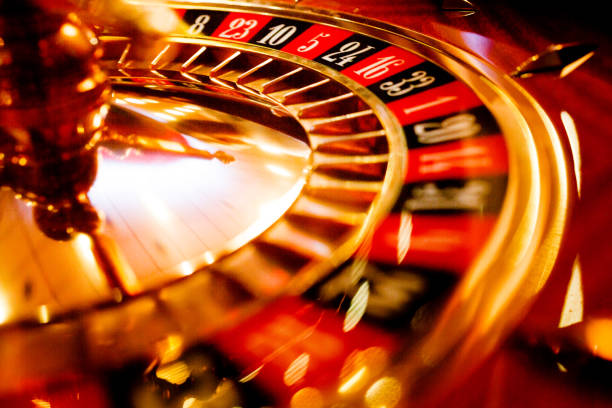
Conclusion: Insights into Gambling Behavior
Understanding the psychological triggers that drive gambling behavior in casinos provides valuable insights into why individuals are drawn to these environments. From the allure of risk and reward to the influence of social interactions, the design of the casino itself plays a pivotal role in shaping gambling habits. These psychological factors not only facilitate engagement but also complicate the decision-making processes of players, often leading to increased time and financial investment in gambling activities.
Casinos, like the Pinco Casino App, can capitalize on these triggers to create more engaging experiences for players. By acknowledging the emotional and psychological aspects of gambling, operators can develop strategies to promote responsible gaming while still maximizing enjoyment. Moreover, understanding these triggers is essential for players who wish to make informed decisions about their gambling habits, enabling them to navigate the enticing landscape of gaming with greater awareness.